 Germany
•
2 views
Germany
•
2 views
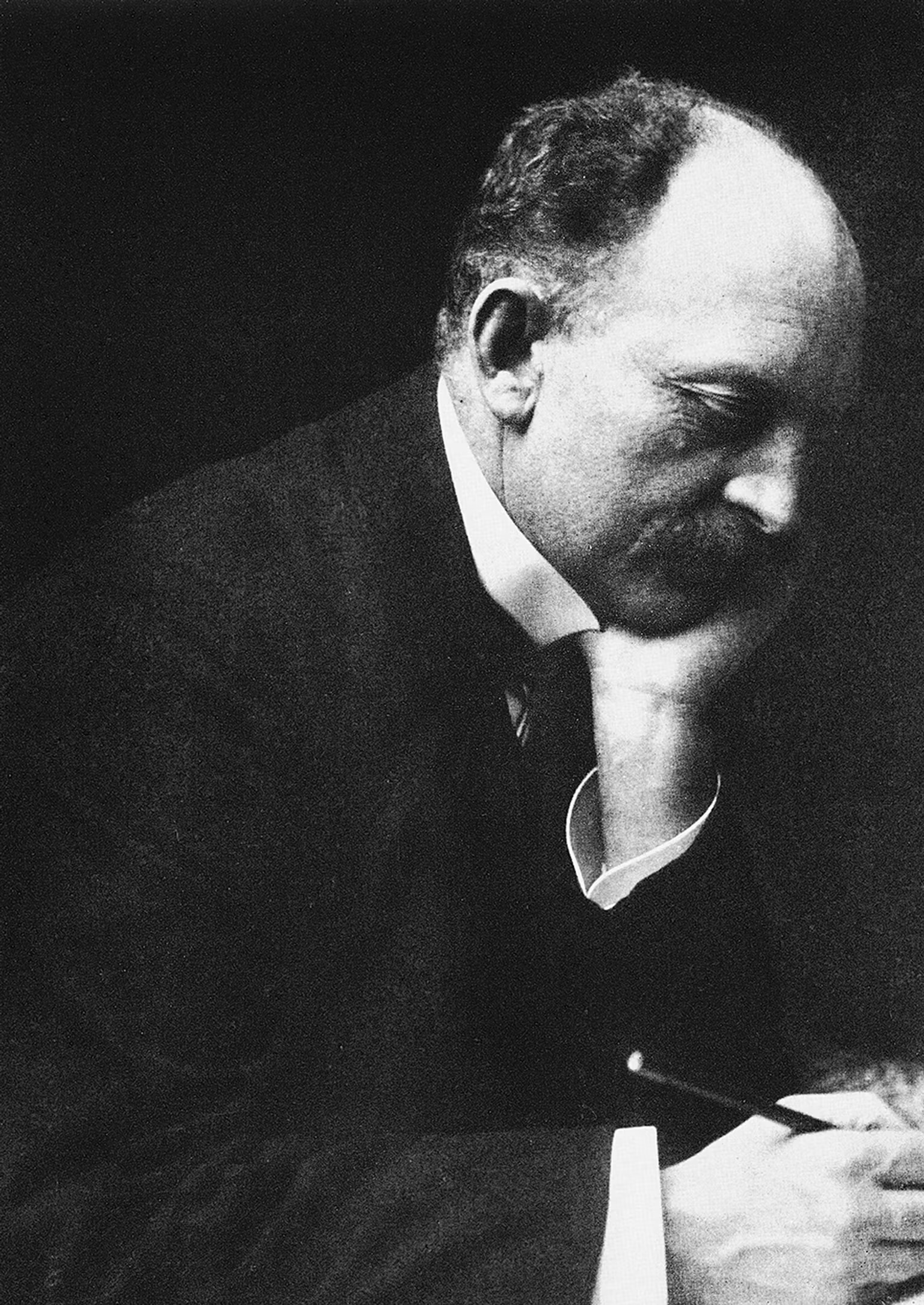
Emil Nolde

Nolde, Germany
Archival Overview
German-Danish Expressionist master renowned for his explosive color palettes, violent brushwork, brooding North Sea landscapes, and incandescent biblical cycles.
Biographical Record
Born Emil Hansen in Schleswig, Emil Nolde adopted the name of his birthplace to signify his deep mystical attachment to the windswept coastal landscape. He briefly joined Die Brücke in 1906, astonishing his younger peers with his radiant colorism and intuitive woodblock techniques.
Nolde's monumental polyptych 'The Life of Christ' (1911–1912) marked a zenith of religious Expressionism. Despite his initial sympathies with National Socialism, his art was deemed 'degenerate', resulting in a 1941 painting ban. In isolation at Seebüll, he secretly produced hundreds of tiny, luminous watercolors known as the 'Unpainted Pictures' (Ungemalte Bilder).
Key Life Milestones
The Life of Christ Polyptych
Completed his masterpiece of religious Expressionism, a nine-part polyptych of raw emotional intensity.
The Unpainted Pictures
Began secretly creating hundreds of miniature watercolors at Seebüll while banned from painting.
Memorial Guestbook & Tributes
0 messages recordedLeave a Respectful Tribute
Final Resting Place
Perpetual MemorialSeebüll, Germany