 Norway
•
9 views
Norway
•
9 views
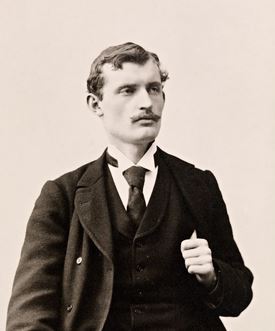
Edvard Munch

Ådalsbruk (Løten, Hedmark), Norway
Archival Overview
Norwegian master painter and printmaker whose psychological series The Frieze of Life—anchored by the immortal, harrowing icon The Scream (1893)—expressed modern humanity's existential dread, alienation, and raw psychological trauma.
Biographical Record
Edvard Munch (1863–1944) was haunted from childhood by grief and illness, losing his mother and sister Sophie to tuberculosis. Resolving that art must capture living, breathing human torment, Munch wrote: 'I do not believe in an art which is not the compulsive result of man's urge to open his heart.'
In 1893, while walking in Kristiania (Oslo) under a blood-red sunset, Munch felt 'a vast, infinite scream tear through nature', creating The Scream (*Skrik*), which became the definitive universal symbol of modern psychological angst alongside Leonardo's Mona Lisa. His monumental series The Frieze of Life tackled anxiety, jealousy, love, and death in works like Madonna and Vampire, founding European Expressionism.
Key Life Milestones
Creation of The Scream (Skrik)
Painted the iconic masterpiece of existential dread capturing the infinite scream passing through nature.
Exhibition of the Complete Frieze of Life in Berlin
Exhibited the full twenty-two canvas cycle depicting Love, Anxiety, and Death at the Berlin Secession.
Memorial Guestbook & Tributes
0 messages recordedLeave a Respectful Tribute
Final Resting Place
Perpetual MemorialEkely (Oslo), Norway