 Russia
•
10 views
Russia
•
10 views
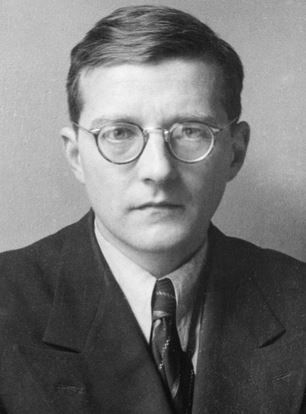
Dmitri Dmitriyevich Shostakovich

Saint Petersburg, Russia
Archival Overview
Titanic Soviet composer whose fifteen symphonies and fifteen string quartets chronicled the tragic human experience under Stalinist terror and the Siege of Leningrad with biting irony, dark tragedy, and profound moral defiance.
Biographical Record
Dmitri Dmitriyevich Shostakovich (1906–1975) rocketed to international acclaim at nineteen with his First Symphony. In 1936, after Stalin condemned his opera Lady Macbeth of Mtsensk as 'muddle instead of music' in Pravda, Shostakovich lived under constant threat of execution, sleeping with a packed suitcase by his door.
He rehabilitated himself publicly with his heroic Fifth Symphony ('a Soviet artist's practical creative response to just criticism') while hiding biting subversive tragedy beneath bombastic marches. During WWII, while volunteering as a firefighter during the Nazi Siege of Leningrad, he wrote his monumental Seventh Symphony ('Leningrad'), broadcast defiantly across starving city loudspeakers. His musical monogram—DSCH (D, E-flat, C, B-natural)—stands as an eternal sonic signature of artistic conscience.
Key Life Milestones
Premiere of the Fifth Symphony in Leningrad
Received a 40-minute standing ovation, saving Shostakovich's life during the height of the Great Purge.
Defiant Leningrad Premiere of the Seventh Symphony
Starving musicians performed the Leningrad Symphony under artillery fire, broadcasting hope to the besieged city.
Memorial Guestbook & Tributes
0 messages recordedLeave a Respectful Tribute
Final Resting Place
Perpetual MemorialMoscow, Russia