 Roman Empire (Croatia)
•
2 views
Roman Empire (Croatia)
•
2 views
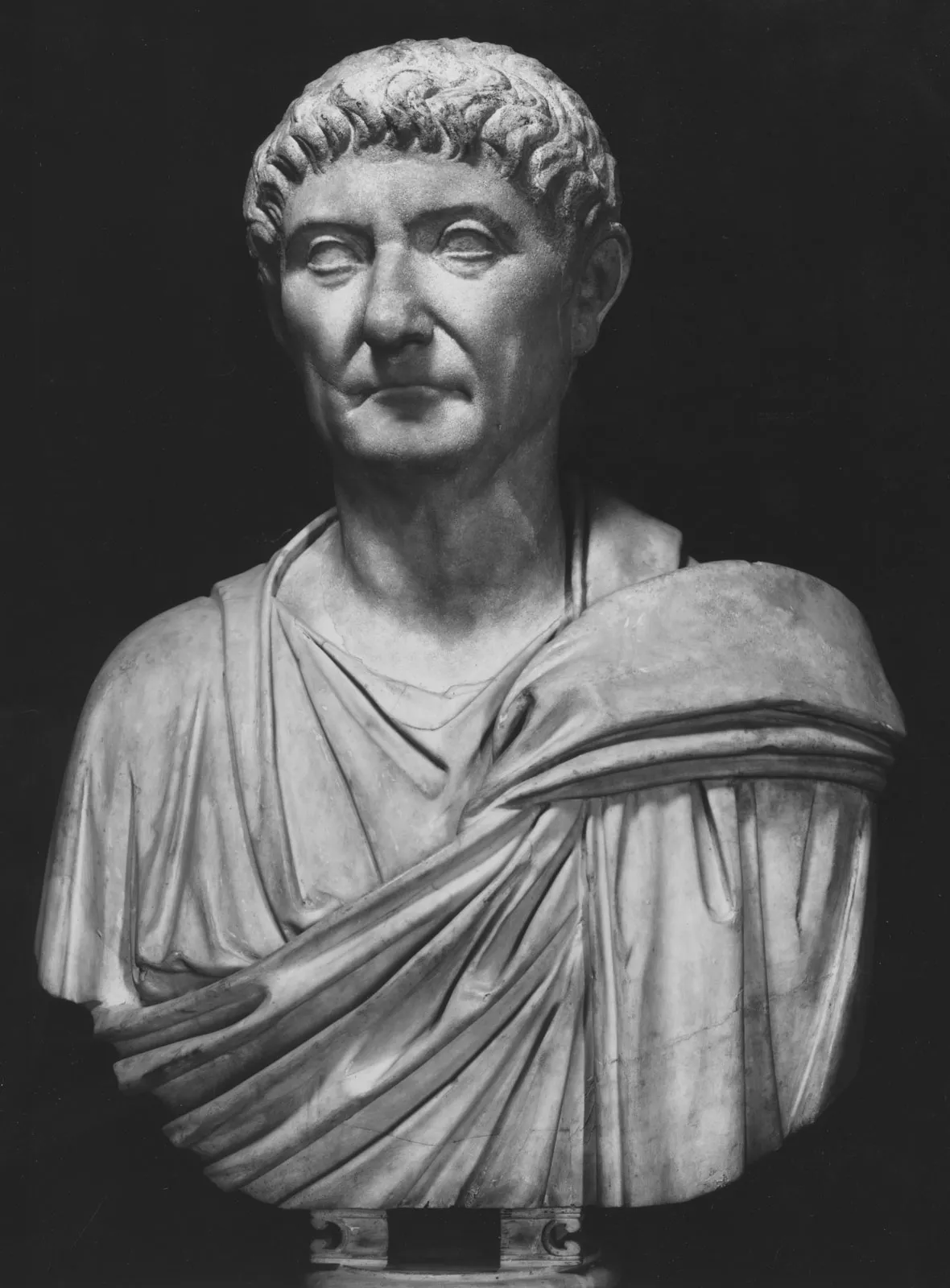
Diocletian

Salona, Dalmatia, Roman Empire (Croatia)
Archival Overview
Roman emperor who ended the Crisis of the Third Century, instituted the Tetrarchy, and was the only Roman emperor to voluntarily abdicate.
Biographical Record
Gaius Aurelius Valerius Diocletianus was a Dalmatian soldier of humble provincial origins who rose through the ranks of the Roman army to become one of the most consequential administrative reformers in classical history. Proclaimed emperor in 284 CE, Diocletian brought an end to the catastrophic fifty-year 'Crisis of the Third Century' that had brought the Roman state to the brink of total collapse.
Recognizing that the vast Roman Empire could no longer be managed by a single man, Diocletian created the Tetrarchy ('Rule of Four'), dividing imperial governance between two senior emperors (Augusti) and two junior colleagues (Caesares) in the East and West. He reorganized the civil administration, restructured the currency, and overhauled the tax system. In 305 CE, Diocletian made history by voluntarily abdicating supreme power and retiring to his colossal fortified palace on the Dalmatian coast in Split (Croatia). When urged to resume the imperial purple, he famously replied: 'If you could show the cabbage that I planted with my own hands to your emperor, he would not urge me to relinquish my quiet for the storm of power.'
Key Life Milestones
Establishment of the Tetrarchy
Historic Voluntary Abdication
Memorial Guestbook & Tributes
0 messages recordedLeave a Respectful Tribute
Final Resting Place
Perpetual MemorialSplit, Dalmatia, Croatia