 United Kingdom
•
15 views
United Kingdom
•
15 views
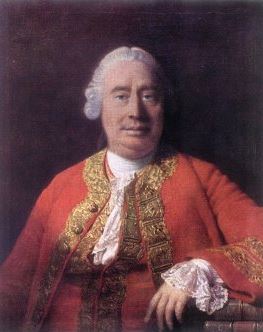
David Hume

Edinburgh, United Kingdom
Archival Overview
Foremost thinker of the Scottish Enlightenment whose radical empiricism dismantled the rational basis of causality, personal identity, and induction, waking Kant from his 'dogmatic slumber'.
Biographical Record
David Hume (1711–1776) was the intellectual jewel of the Scottish Enlightenment. At the age of only twenty-six, living in the French countryside at La Flèche, he drafted his epochal Treatise of Human Nature, seeking to apply the experimental method of reasoning to the human mind.
Hume demonstrated that our belief in cause and effect is not a rational deduction, but a psychological habit formed by constant conjunction. In ethics, he showed that moral judgments arise from sentiment rather than abstract reason, famously concluding that 'Reason is, and ought only to be the slave of the passions'.
Key Life Milestones
Publication of 'A Treatise of Human Nature'
Published his revolutionary masterpiece analyzing human understanding, passions, and moral sentiment.
Publication of 'An Enquiry Concerning Human Understanding'
Refined his skeptical epistemology and his famous essay challenging the rational credibility of miracles.
Memorial Guestbook & Tributes
0 messages recordedLeave a Respectful Tribute
Final Resting Place
Perpetual MemorialEdinburgh, United Kingdom