 Serbia
•
8 views
Serbia
•
8 views
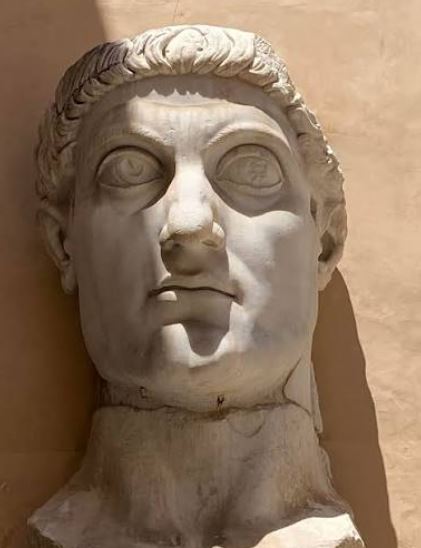
Flavius Valerius Constantinus (Constantine the Great)

Naissus (Niš), Serbia
Archival Overview
Transformative Roman Emperor who legalized Christianity with the Edict of Milan (313 CE), convened the Council of Nicaea (325 CE), and relocated the capital of the Roman Empire to New Rome (Constantinople).
Biographical Record
Acclaimed emperor by his legions in York (Britannia) in 306 CE, Constantine emerged victorious in civil wars, famously adopting the Christian Chi-Rho monogram at the Battle of the Milvian Bridge following his vision ("In hoc signo vinces").
He unified the splintered empire, founded the Queen of Cities—Constantinople on the Bosporus—and erected the Church of the Holy Sepulchre in Jerusalem and Old St. Peter's Basilica in Rome, bridging classical antiquity with the thousand-year Byzantine civilization.
Key Life Milestones
Victory at the Milvian Bridge
Defeated Maxentius outside Rome under the Chi-Rho sign, consolidating rule over the Western Roman Empire.
The Edict of Milan
Issued joint imperial proclamation legalizing Christian worship and establishing religious tolerance across the empire.
The First Council of Nicaea
Convened the first ecumenical council of the Christian church to formulate universal creedal orthodoxy.
Inauguration of Constantinople
Dedicated the new imperial capital on the Bosporus as Nova Roma, the center of Byzantine civilization for 1,123 years.
Memorial Guestbook & Tributes
0 messages recordedLeave a Respectful Tribute
Final Resting Place
Perpetual MemorialNicomedia (İzmit), Turkey