 France
•
8 views
France
•
8 views
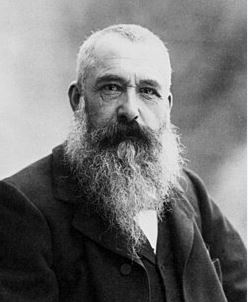
Oscar-Claude Monet

Paris, France
Archival Overview
Founding father of French Impressionism whose 1872 painting Impression, Sunrise gave the revolutionary movement its name, celebrated worldwide for capturing transient light across series of Haystacks, Rouen Cathedral, and the monumental Water Lilies.
Biographical Record
Claude Monet (1840–1926) was the driving force behind the Impressionist rebellion against academic salon dogma. Setting up his easel directly outdoors (*en plein air*), Monet sought to capture not the objective form of objects, but the transient atmospheric light (*l'enveloppe*) that illuminates them at a single split-second in time.
His 1872 canvas Impression, Sunrise exhibited at the famous 1874 independent Paris exhibition gave birth to the name 'Impressionism'. In the 1890s, Monet developed his revolutionary serial method, painting Haystacks, Poplars, and Rouen Cathedral across different hours and weather. His final four decades at Giverny produced the monumental Water Lilies (*Nymphéas*), culminating in the panoramic immersive decorative murals now housed in the Musée de l'Orangerie in Paris.
Key Life Milestones
First Impressionist Exhibition (Impression, Sunrise)
Exhibited Impression, Sunrise at Nadar's studio in Paris, prompting critic Louis Leroy to coin the term 'Impressionism'.
Donation of the Grand Water Lilies Murals to France
Signed the deed donating the panoramic Nymphéas murals to the French state for the Musée de l'Orangerie.
Memorial Guestbook & Tributes
0 messages recordedLeave a Respectful Tribute
Final Resting Place
Perpetual MemorialGiverny (Eure), French Third Republic