 United Kingdom
•
1 views
United Kingdom
•
1 views
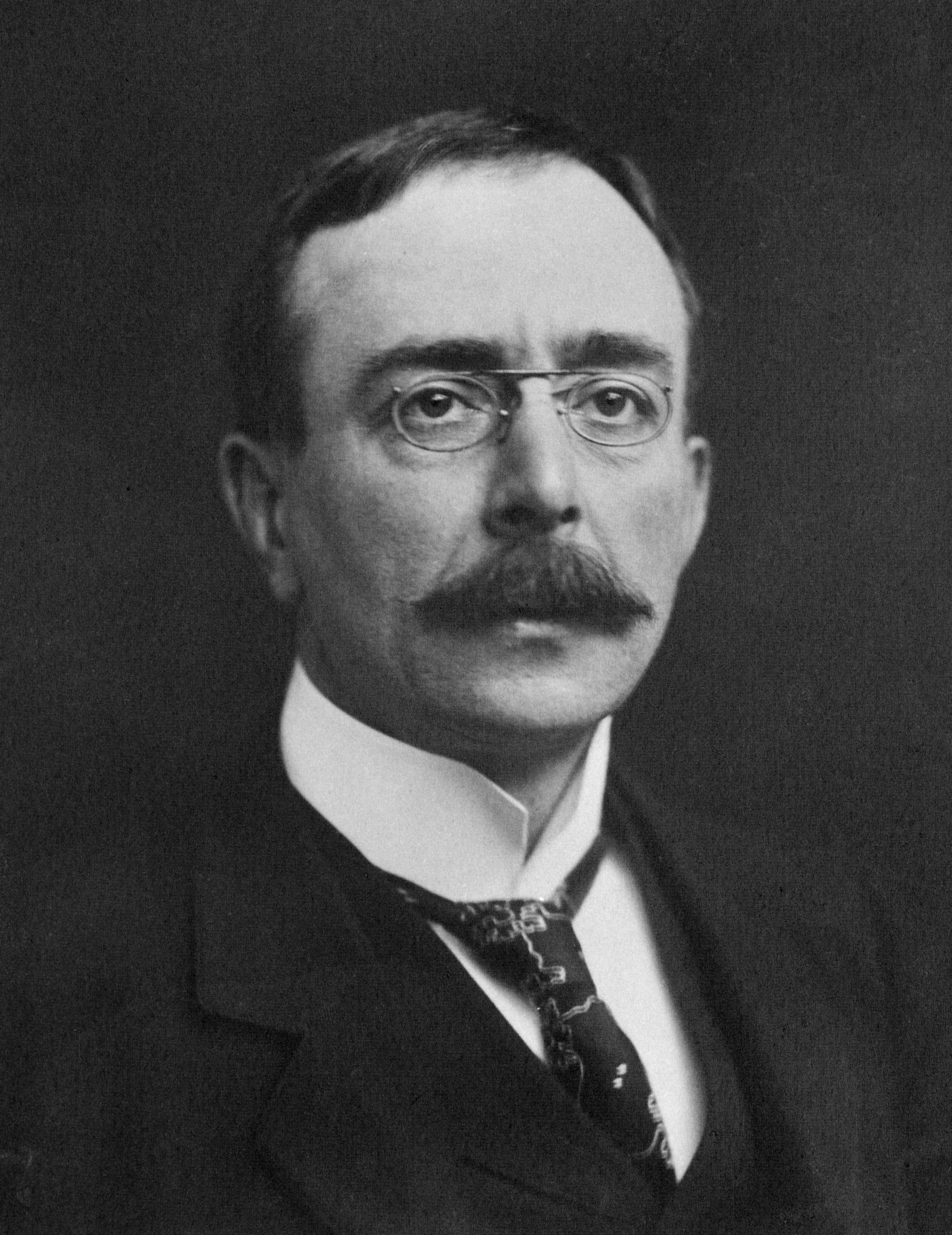
Charles Sherrington

Islington (London), United Kingdom
Archival Overview
English neurophysiologist who won the 1932 Nobel Prize in Medicine for mapping the reflex functions of the central nervous system, coining the immortal terms 'synapse', 'proprioception', and 'motor unit'.
Biographical Record
Sir Charles Sherrington (1857–1952) graduated from Cambridge and served as professor of physiology at Oxford. Investigating spinal reflexes in mammals, Sherrington deduced that nerve cells do not form a continuous syncytial net, but communicate across microscopic gaps, coining the term 'synapse' in 1897.
His 1906 masterpiece 'The Integrative Action of the Nervous System' established modern neurophysiology, demonstrating reciprocal innervation (Sherrington's Law: when an agonist muscle contracts, the antagonist muscle is reciprocally inhibited). He also discovered muscle spindle proprioceptors, revealing how the body monitors its own position in space.
Key Life Milestones
Introduction of the Concept of the Synapse
Coined the term 'synapse' to describe the functional junction between communicating neurons.
Awarded the Nobel Prize in Medicine
Shared the Nobel Prize with Edgar Adrian for discovering the integrative mechanisms of neurons.
Memorial Guestbook & Tributes
0 messages recordedLeave a Respectful Tribute
Final Resting Place
Perpetual MemorialBroomfield (Shropshire), United Kingdom