 United States
•
4,326 views
United States
•
4,326 views
Charles Drew

Washington, D.C., United States
Archival Overview
Pioneering African-American surgeon and medical researcher who organized the first large-scale blood banks and mobile Bloodmobiles.
Biographical Record
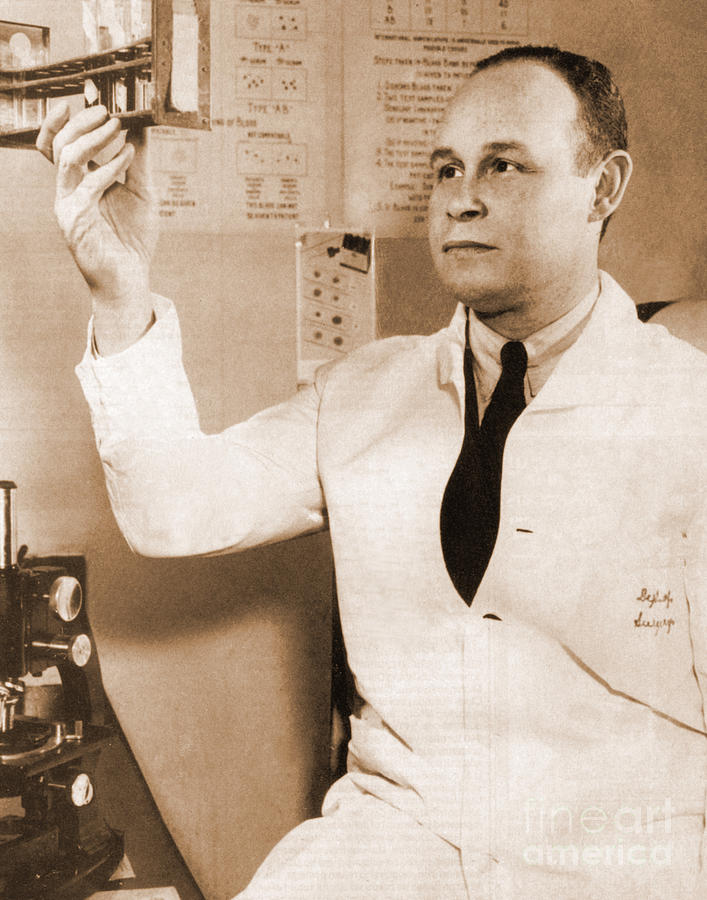
Charles Richard Drew was an African-American surgeon, educator, and medical researcher whose pioneering work on blood processing and preservation saved tens of thousands of lives during World War II and transformed modern emergency medicine. An elite multi-sport athlete at Amherst College, Drew earned his medical degree from McGill University in Montreal with high honors, followed by a Doctor of Medical Science from Columbia University.
Drew's doctoral thesis, Banked Blood, proved that separating red blood cells from liquid plasma allowed blood products to be preserved and transported for months without spoiling, and could be administered to any patient regardless of blood type. In 1940, during the German Blitz on London, Drew was appointed medical director of the 'Blood for Britain' project, assembling and shipping thousands of liters of life-saving plasma overseas. Appointed the first director of the American Red Cross Blood Bank in 1941, Drew introduced refrigerated mobile collection units called Bloodmobiles. When the U.S. military ordered that Black donors' blood be segregated from white recipients, Drew indignantly resigned in protest against scientific racism.
Key Life Milestones
Director of Blood for Britain
Directed the life-saving plasma collection program that shipped thousands of units of dried plasma to treat British wartime casualties.
Creation of the Red Cross Blood Bank & Bloodmobiles
Established standard mass blood bank protocols and invented refrigerated mobile Bloodmobiles for civilian and military donation.
Memorial Guestbook & Tributes
0 messages recordedLeave a Respectful Tribute
Final Resting Place
Perpetual MemorialSuitland, Maryland, United States