 Germany
•
8 views
Germany
•
8 views
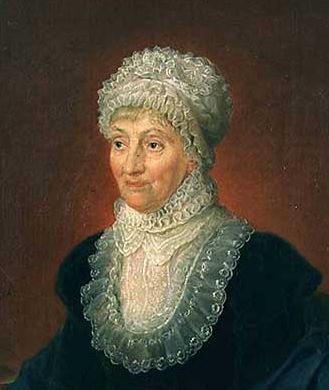
Caroline Herschel

Hanover, Germany
Archival Overview
First woman to receive a salary as a professional scientist, who discovered eight comets (including periodic comet 35P/Herschel-Rigollet) and compiled the definitive NGC nebula catalogs.
Biographical Record
Caroline Lucretia Herschel (1750–1848) survived childhood typhus and stunted growth in Hanover before joining her brother William in England. Beginning as his astronomical recorder and telescope polisher, she soon developed into an exceptional observational astronomer in her own right, sweeping the heavens with a specialized 'small sweeper' reflector.
Between 1786 and 1797, Caroline discovered eight new comets—the first woman to discover a comet. In 1787, King George III granted her an official royal salary of £50 a year, making her the first woman in history employed as a professional scientist. She painstakingly verified, corrected, and expanded Flamsteed's Star Catalogue, earning the Gold Medal of the Royal Astronomical Society in 1828.
Key Life Milestones
First Woman to Discover a Comet
Discovered comet C/1786 P1 (Herschel), the first of eight comets she discovered independently.
Awarded Gold Medal of the Royal Astronomical Society
Awarded Britain's highest astronomical honor for her catalog of 2,500 nebulae and star clusters.
Memorial Guestbook & Tributes
0 messages recordedLeave a Respectful Tribute
Final Resting Place
Perpetual MemorialHanover, Germany