 Sweden
•
7 views
Sweden
•
7 views
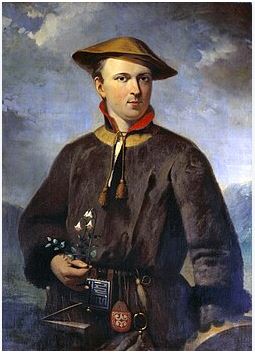
Carl Linnaeus (Carl von Linné)

Råshult (Småland), Sweden
Archival Overview
Swedish naturalist whose Systema Naturae founded modern biological taxonomy, introducing binomial nomenclature (genus and species, e.g. Homo sapiens) to classify all living organisms.
Biographical Record
Carl Linnaeus (1707–1778), professor of medicine and botany at Uppsala University, embarked on solitary expeditions across the Lapland wilderness to study Arctic flora and fauna. Faced with the bewildering chaos of multi-word Latin descriptions, Linnaeus introduced order to the natural world.
In Systema Naturae (first edition 1735, tenth edition 1758), he formulated binomial nomenclature: naming every species with two words indicating genus and species (e.g., Homo sapiens, Canis lupus). He classified organisms into hierarchical kingdoms, classes, orders, genera, and species, sending his 'apostles' (disciples) on worldwide voyages with Captain Cook and global trading fleets to classify earth's biodiversity.
Key Life Milestones
Publication of the First Edition of 'Systema Naturae'
Introduced his revolutionary classification system grouping plants by sexual reproductive organs.
Publication of 'Systema Naturae' 10th Edition
Standardized binomial nomenclature for the animal kingdom, classifying humans as Homo sapiens among primates.
Memorial Guestbook & Tributes
0 messages recordedLeave a Respectful Tribute
Final Resting Place
Perpetual MemorialUppsala, Sweden