 Madras Presidency
•
0 views
Madras Presidency
•
0 views
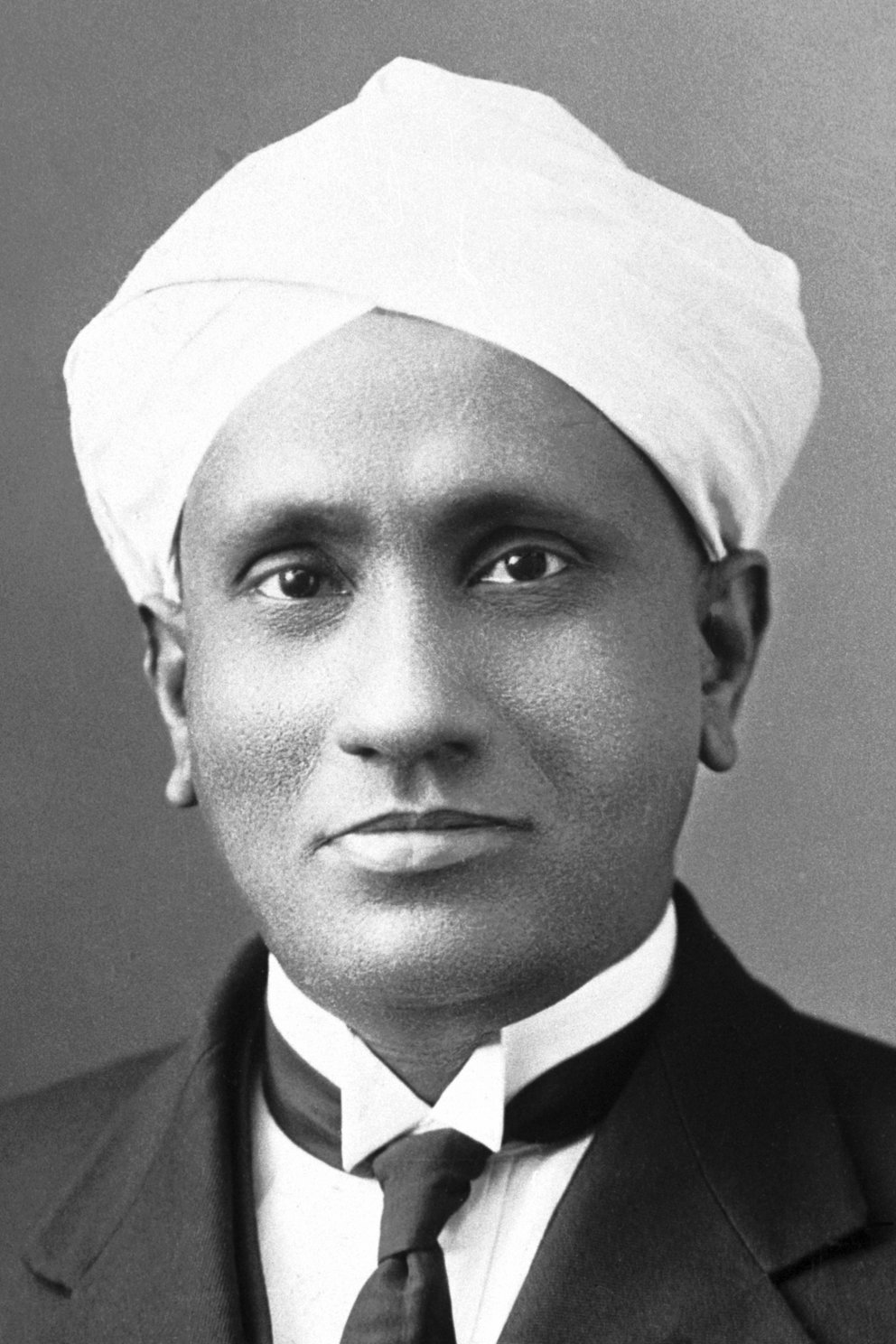
C. V. Raman

Tiruchirappalli (Tamil Nadu), Madras Presidency
Archival Overview
Indian physicist who was awarded the 1930 Nobel Prize in Physics for discovering that light scattered by molecules changes wavelength (the Raman Effect), becoming the first Asian to win a Nobel Prize in any scientific discipline.
Biographical Record
Sir Chandrasekhara Venkata Raman (1888–1970) was captivated by the deep opalescent blue of the Mediterranean Sea while sailing home from Europe in 1921, proving that the ocean's color resulted from molecular scattering of sunlight rather than mere reflection of the sky.
On February 28, 1928, at the Indian Association for the Cultivation of Science in Kolkata, Raman and his colleague K. S. Krishnan demonstrated inelastic light scattering using a modified mercury arc lamp, proving that photons exchange vibrational energy with molecules. Raman spectroscopy remains a universal analytical technique across physics, chemistry, and medicine.
Key Life Milestones
Discovery of the Raman Effect
Discovered inelastic molecular scattering of light, celebrated annually as India's National Science Day.
Nobel Prize in Physics
Awarded the Nobel Prize in Physics, the first Asian recipient in the sciences.
Memorial Guestbook & Tributes
0 messages recordedLeave a Respectful Tribute
Final Resting Place
Perpetual MemorialBangalore (Karnataka), India