 United States
•
7 views
United States
•
7 views
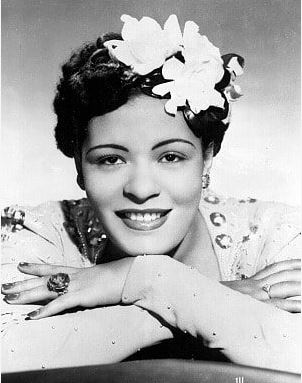
Eleanora Fagan (Billie Holiday)

Philadelphia (Pennsylvania), United States
Archival Overview
Incomparable jazz vocalist whose conversational phrasing, subtle emotional timing, and fearless 1939 recording of Strange Fruit—the definitive protest anthem against Southern lynchings—transformed American vocal art.
Biographical Record
Billie Holiday (1915–1959), affectionately dubbed Lady Day by her soulmate saxophonist Lester Young, grew up in crushing poverty and trauma in Baltimore and Harlem. Discovered singing in a Harlem speakeasy by producer John Hammond, Holiday possessed an exquisite vocal instrument: not booming, but imbued with devastating emotional intimacy, unique behind-the-beat phrasing, and instrumental blues nuance.
In 1939 at Café Society in New York, Holiday defied record executives to sing Strange Fruit, a haunting poem by Abel Meeropol describing the lynching of Black Americans in the South ('Southern trees bear a strange fruit, blood on the leaves and blood at the root'). The performance silenced rooms and was named by Time as the 'Song of the Century', cementing Holiday as an immortal pioneer of civil rights and artistic courage.
Key Life Milestones
Recording of 'Strange Fruit' at Commodore Records
Recorded the anti-lynching anthem Strange Fruit, recognized as the opening salvo of the Civil Rights movement in music.
Recording of Lady in Satin with Ray Ellis
Recorded her poignant swan song album Lady in Satin, capturing heartbreaking vocal fragility and emotional depth.
Memorial Guestbook & Tributes
0 messages recordedLeave a Respectful Tribute
Final Resting Place
Perpetual MemorialNew York City, United States