 Hungary
•
10 views
Hungary
•
10 views
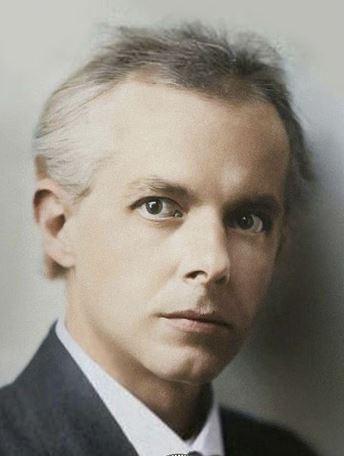
Béla Viktor János Bartók

Nagyszentmiklós (Torontál County), Hungary
Archival Overview
Visionary Hungarian composer and ethnomusicology pioneer who recorded thousands of genuine Eastern European and Turkish folk melodies, integrating their asymmetrical meters and modal scales into revolutionary works like the Concerto for Orchestra.
Biographical Record
Béla Bartók (1881–1945), together with his compatriot Zoltán Kodály, travelled into remote villages of Hungary, Romania, Slovakia, Bulgaria, and Anatolia with an Edison phonograph cylinder, transcribing authentic peasant folksongs. This scientific research convinced Bartók that authentic peasant music was entirely distinct from popularized Gypsy-style melodies, providing fresh tonal and rhythmic foundations for Western art music.
Synthesizing folk modality with chromaticism and ferocious rhythmic vigor, Bartók produced six legendary string quartets, Music for Strings, Percussion and Celesta, and the opera Bluebeard's Castle. An outspoken opponent of Fascism, he went into self-imposed exile in New York in 1940, composing his beloved Concerto for Orchestra while succumbing to leukemia in poverty.
Key Life Milestones
Music for Strings, Percussion and Celesta
Composed his masterwork exploring night music, golden ratio proportions, and exotic acoustic percussion textures.
Premiere of Concerto for Orchestra at Boston Symphony Hall
Serge Koussevitzky premiered Bartók's final symphonic triumph, blending orchestral virtuosity with folk vitality.
Memorial Guestbook & Tributes
0 messages recordedLeave a Respectful Tribute
Final Resting Place
Perpetual MemorialNew York City, United States