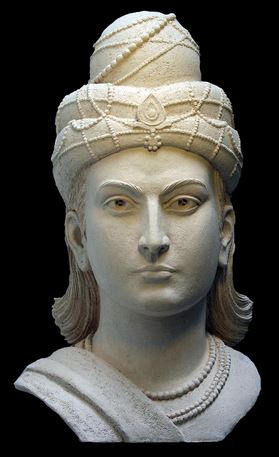
 India
•
8 views
India
•
8 views
Ashoka Maurya (Devanampriya Priyadasi)

Pataliputra, India
Archival Overview
Third emperor of the Maurya Empire who ruled almost the entire Indian subcontinent. Moved by the horrific bloodshed of the Kalinga War, he renounced war, embraced Buddhism, and ruled through non-violence and social welfare.
Biographical Record
Following his conquest of Kalinga in 261 BCE, Ashoka experienced profound remorse over the suffering of 100,000 casualties. He converted to Buddhism and replaced military conquest (Digvijaya) with moral conquest (Dharmavijaya).
He erected monumental rock and pillar edicts across India, built free hospitals for humans and animals, dug roadside wells, and dispatched Buddhist peace missions to Greece, Egypt, and Sri Lanka. The Lion Capital of Ashoka serves today as the National Emblem of India.
Key Life Milestones
Coronation as Maurya Emperor at Pataliputra
Inherited an empire encompassing almost the entirety of the Indian subcontinent.
The Kalinga War & Moral Transformation
Deeply sorrowed by 100,000 casualties, he renounced war and embraced Buddhist Dhamma.
Carving the Rock & Pillar Edicts of Ashoka
Inscribed decrees promoting non-violence (Ahimsa), religious tolerance, and public healthcare.
Convening the Third Buddhist Council
Hosted the council at Pataliputra and dispatched missionary envoys across Asia and the Mediterranean.
Memorial Guestbook & Tributes
0 messages recordedLeave a Respectful Tribute
Final Resting Place
Perpetual MemorialPataliputra, India