 Dutch Republic
•
2 views
Dutch Republic
•
2 views
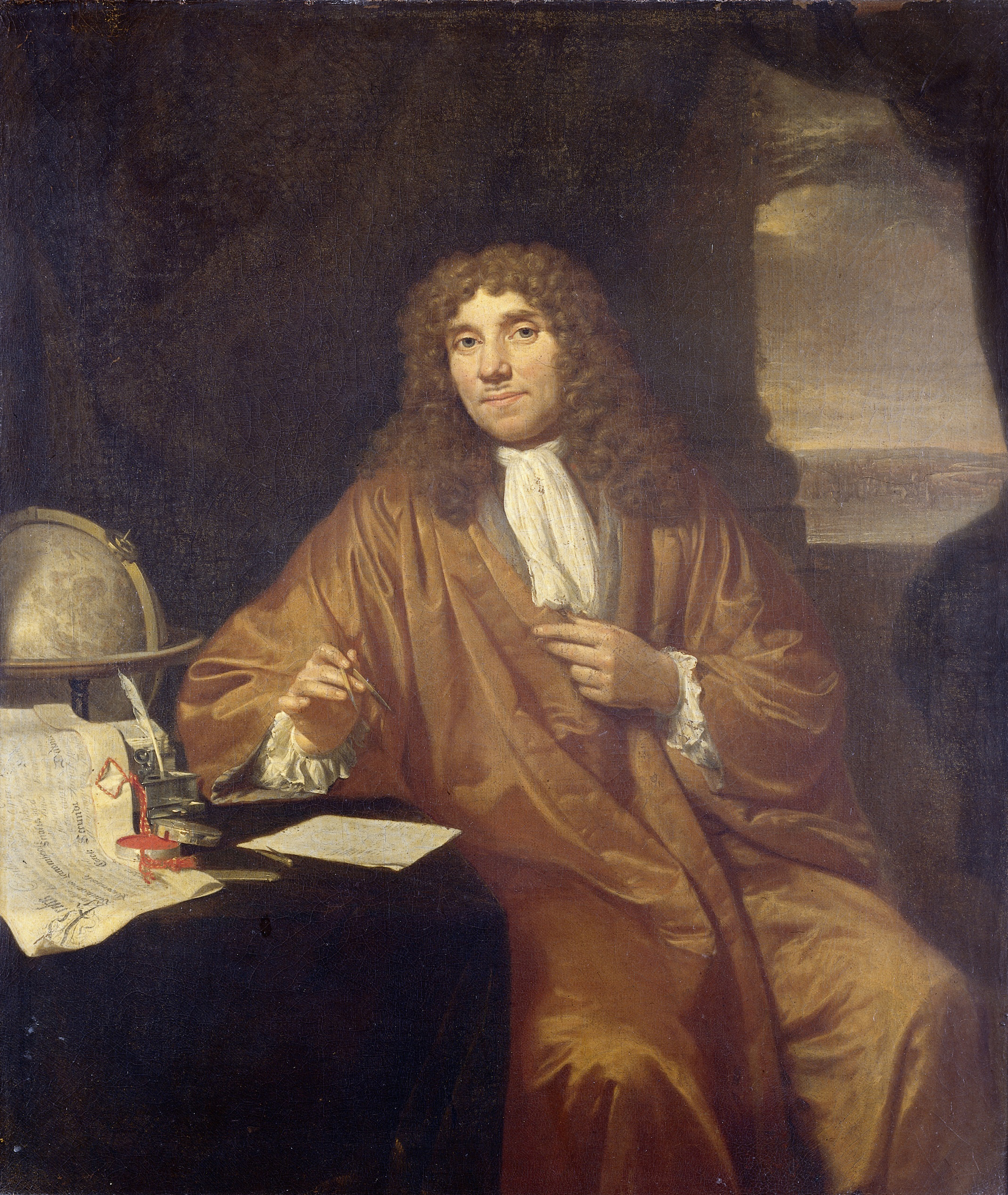
Antoni van Leeuwenhoek

Delft, Dutch Republic
Archival Overview
Dutch draper and self-taught scientist acclaimed as the 'Father of Microbiology', who ground exquisite single-lens microscopes magnifying up to 500 times to discover the microscopic living world: bacteria, protozoa, sperm cells, and red blood cells.
Biographical Record
Antoni van Leeuwenhoek (1632–1723) operated a fabric shop and served as chamberlain to the sheriffs of Delft. To count textile threads, he developed a secret method of melting glass rods into tiny, flawless spherical lenses mounted between brass plates, producing optical clarity far superior to contemporary compound microscopes.
In 1674, observing a drop of standing lake water, Leeuwenhoek gasped to discover billions of microscopic motile organisms he named 'animalcules' (bacteria and protozoa). Communicating his observations across 190 letters to the Royal Society of London, his lenses revealed spermatozoa, blood circulation in capillaries, and muscle fibers.
Key Life Milestones
Discovery of Microscopic Animalcules
Discovered bacteria and protozoa in water droplets, opening the microscopic universe to human knowledge.
Fellowship of the Royal Society of London
Elected as a full member of the Royal Society of London despite lacking university education or Latin.
Memorial Guestbook & Tributes
0 messages recordedLeave a Respectful Tribute
Final Resting Place
Perpetual MemorialDelft, Netherlands