 Belgium
•
7 views
Belgium
•
7 views
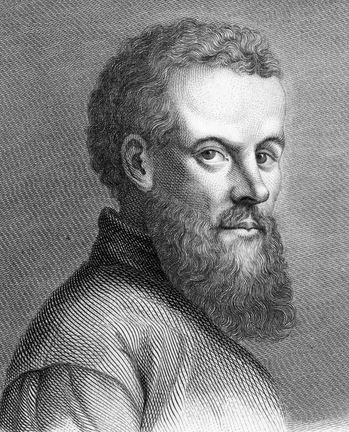
Andreas Vesalius

Brussels (Brabant), Belgium
Archival Overview
Brilliant anatomist whose 1543 masterpiece De Humani Corporis Fabrica founded modern human anatomy through direct cadaver dissection, correcting over 200 errors in Galen's texts.
Biographical Record
Andreas Vesalius (1514–1564) revolutionized medicine at the University of Padua by descending from the high lecturer's chair to perform human dissections with his own hands before hundreds of students. He discovered that Galen had dissected Barbary apes and dogs rather than humans, perpetuating hundreds of anatomical fallacies.
In 1543—the very same year Copernicus published *De revolutionibus*—Vesalius published De Humani Corporis Fabrica Libri Septem (*On the Fabric of the Human Body*). Illustrated by magnificent Renaissance woodcuts attributed to Jan van Calcar from Titian's workshop, the book accurately revealed the skeletal, muscular, vascular, and nervous systems of the human body for the first time in history.
Key Life Milestones
Appointment as Chair of Surgery at Padua
Inaugurated public anatomical dissections performed directly by the professor rather than barber-surgeons.
Publication of 'De Humani Corporis Fabrica'
Published the epochal masterpiece of human anatomy in Basel with monumental woodcut illustrations.
Memorial Guestbook & Tributes
0 messages recordedLeave a Respectful Tribute
Final Resting Place
Perpetual MemorialZakynthos, Greece