 United Kingdom
•
8 views
United Kingdom
•
8 views
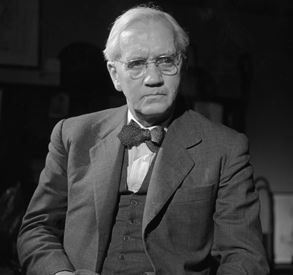
Sir Alexander Fleming

Darvel (Ayrshire), United Kingdom
Archival Overview
Scottish bacteriologist whose discovery of penicillin from Penicillium mould in 1928 ignited the antibiotic revolution, saving hundreds of millions of lives from bacterial infections.
Biographical Record
Sir Alexander Fleming (1881–1955) served in the Royal Army Medical Corps during World War I, witnessing horrific wound infections. In September 1928, in his laboratory at St Mary's Hospital in London, Fleming returned from vacation to discover that an open petri dish of Staphylococcus had grown a mould that dissolved the surrounding bacteria.
He identified the mould as Penicillium notatum and extracted the active antibacterial substance, naming it 'penicillin'. Purified and mass-produced by Howard Florey and Ernst Chain in 1940, penicillin inaugurated modern antibiotic therapy. Fleming shared the 1945 Nobel Prize in Physiology or Medicine, while warning the world against drug resistance.
Key Life Milestones
Serendipitous Discovery of Penicillin
Observed that Penicillium notatum mould dissolved Staphylococcus colonies, identifying the first antibiotic.
Nobel Prize in Physiology or Medicine
Awarded the Nobel Prize jointly with Florey and Chain for the discovery of penicillin and its curative power.
Memorial Guestbook & Tributes
0 messages recordedLeave a Respectful Tribute
Final Resting Place
Perpetual MemorialLondon, United Kingdom