 Italy
•
10 views
Italy
•
10 views
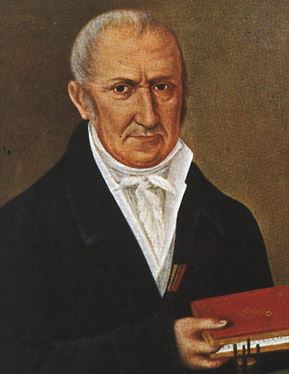
Alessandro Volta

Como (Lombardy), Italy
Archival Overview
Italian physicist who invented the voltaic pile (the first continuous electrochemical battery) in 1799, discovered methane gas, and had the electrical unit of potential—the 'Volt'—named in his honor.
Biographical Record
Alessandro Volta (1745–1827), professor of natural philosophy at the University of Pavia for forty years, disproved Luigi Galvani's theory of 'animal electricity'. He showed that muscle twitches in frogs were not caused by biology, but by the contact of two dissimilar metals in a moist electrolytic medium.
In 1799, Volta constructed the Voltaic Pile—alternating discs of zinc and copper separated by cardboard soaked in brine. This landmark device generated the world's first continuous direct electric current, providing the power source that unlocked electrolysis, electrochemistry, and electromagnetic telecommunications. In 1776, he also discovered and isolated methane gas from Lake Maggiore marshes.
Key Life Milestones
Discovery of Methane Gas
First collected and chemically isolated flammable marsh gas (methane) from sediments in Lake Maggiore.
Invention of the Voltaic Pile (Electric Battery)
Sent his letter to the Royal Society describing the world's first electrochemical battery producing continuous electric current.
Memorial Guestbook & Tributes
0 messages recordedLeave a Respectful Tribute
Final Resting Place
Perpetual MemorialComo (Lombardy), Italy