 Switzerland
•
2 views
Switzerland
•
2 views
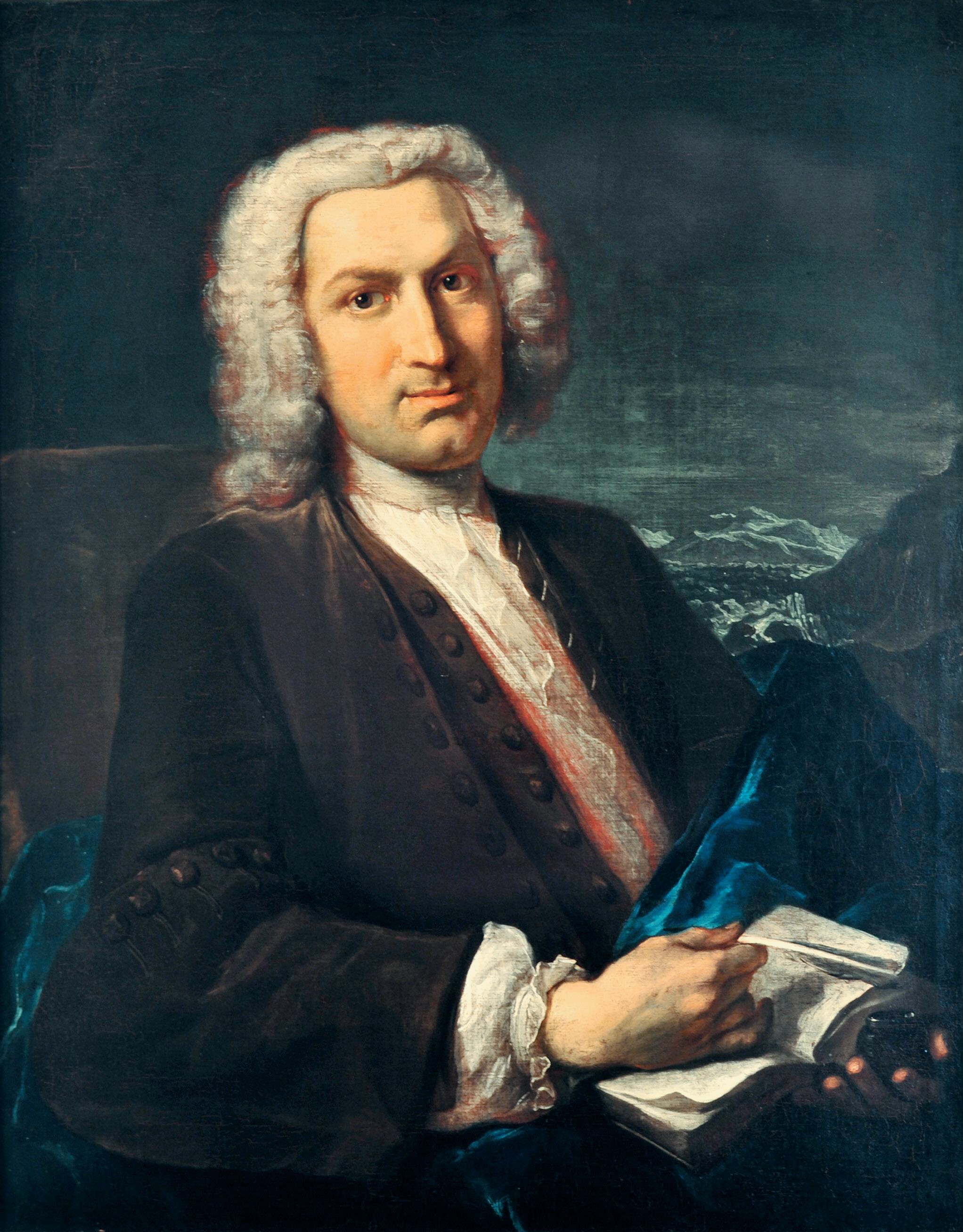
Albrecht von Haller

Bern, Switzerland
Archival Overview
Swiss polymath, anatomist, and poet celebrated as the 'Father of Modern Experimental Physiology', who discovered the distinction between muscular irritability (contractility) and nervous sensibility in animal tissues.
Biographical Record
Albrecht von Haller (1708–1777) was an intellectual titan who read the Bible in Hebrew at age nine and wrote 13,000 scientific reviews and poems. Appointed professor of anatomy, surgery, and botany at the newly founded University of Gottingen in 1736, he conducted 560 experiments on living animal tissues.
In his 1752 treatise 'De partibus corporis humani sensibilibus et irritabilibus', Haller revolutionized biological thought by demonstrating that muscles possess inherent irritability (contractility independent of nerves), whereas nerves alone possess sensibility (the transmission of sensation to consciousness). His eight-volume 'Elementa Physiologiae' created modern physiology.
Key Life Milestones
Distinction Between Irritability and Sensibility
Established experimental physiology by separating muscular contraction from nervous impulse conduction.
Publication of Elementa Physiologiae Corporis Humani
Published the monumental eight-volume encyclopedia that defined modern medical physiology.
Memorial Guestbook & Tributes
0 messages recordedLeave a Respectful Tribute
Final Resting Place
Perpetual MemorialBern, Switzerland