 Pakistan
•
14 views
Pakistan
•
14 views
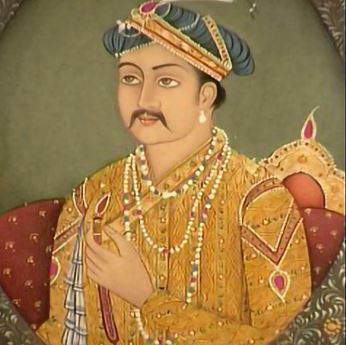
Jalal-ud-din Muhammad Akbar (Akbar the Great)

Umerkot (Sindh), Pakistan
Archival Overview
Third Mughal Emperor celebrated for tripling the empire's size, abolishing the sectarian Jizya tax on non-Muslims, establishing the Ibadat Khana interfaith debate hall, and promoting the doctrine of universal harmony (Sulh-i-Kul).
Biographical Record
Ascending the throne at age thirteen under regent Bairam Khan, Akbar demonstrated phenomenal military acumen while fostering deep religious curiosity. At his new red sandstone capital of Fatehpur Sikri, he built the Ibadat Khana, inviting Hindu, Muslim, Christian, Jain, and Zoroastrian scholars to dialogue.
He patronized the translation of the Mahabharata and Ramayana into Persian, integrated Rajput Hindu princes into the highest imperial administration, and established an enduring golden age of Mughal miniature painting and literature.
Key Life Milestones
Abolition of the Pilgrim and Jizya Taxes
Repealed discriminatory taxation on Hindu subjects, cementing civic equality across the Mughal Empire.
Erection of the Ibadat Khana
Established the House of Worship at Fatehpur Sikri for interfaith philosophical debates across all religions.
Declaration of Sulh-i-Kul (Universal Peace)
Promulgated the ethical doctrine of universal harmony, prohibiting sectarian persecution throughout the realm.
Memorial Guestbook & Tributes
0 messages recordedLeave a Respectful Tribute
Final Resting Place
Perpetual MemorialFatehpur Sikri, India