 Belarus
•
7 views
Belarus
•
7 views
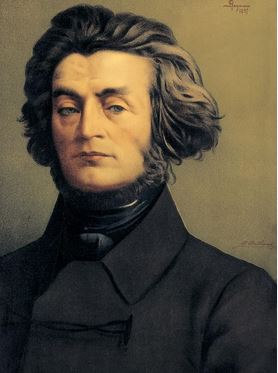
Adam Bernard Mickiewicz

Zavosse (Navahrudak), Belarus
Archival Overview
Supreme national poet of Poland and prophet of Romantic messianism whose epic masterpiece Pan Tadeusz and visionary drama Dziady (Forefathers' Eve) kept the soul of partitioned Poland alive through exile.
Biographical Record
Adam Mickiewicz (1798–1855), principal of the 'Three Bards' (*Trzej Wieszcze*) of Polish Romanticism, was exiled to central Russia in 1824 for secret patriotic student activities in Vilnius. Befriending Pushkin in Moscow and Saint Petersburg, he later traveled through Western Europe, holding the first chair of Slavic literature at the Collège de France in Paris.
In Paris, Mickiewicz composed Pan Tadeusz (1834), an immortal twelve-book verse epic evoking the vanished pastoral nobility, customs, and forests of Lithuania on the eve of Napoleon's 1812 march into Russia. In 1855, during the Crimean War, he travelled to Constantinople to organize Polish and Jewish legions to fight against the Tsarist Russian Empire, where he died of cholera. In 1890, his body was repatriated to Wawel Royal Cathedral in Kraków.
Key Life Milestones
Publication of Dziady (Forefathers' Eve) Part III in Dresden
Penned the great visionary drama of Slavic messianism featuring the Great Improvisation of Konrad.
Publication of Pan Tadeusz in Paris
Published Poland's supreme national verse epic, an immortal monument of nostalgic romantic longing.
Memorial Guestbook & Tributes
0 messages recordedLeave a Respectful Tribute
Final Resting Place
Perpetual MemorialConstantinople (Istanbul), Turkey