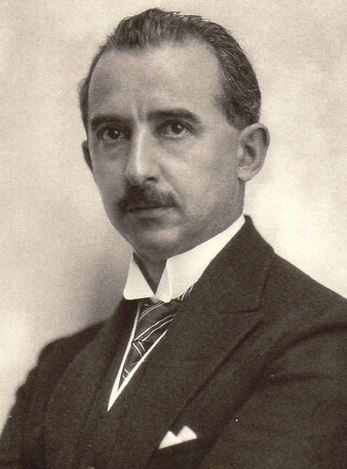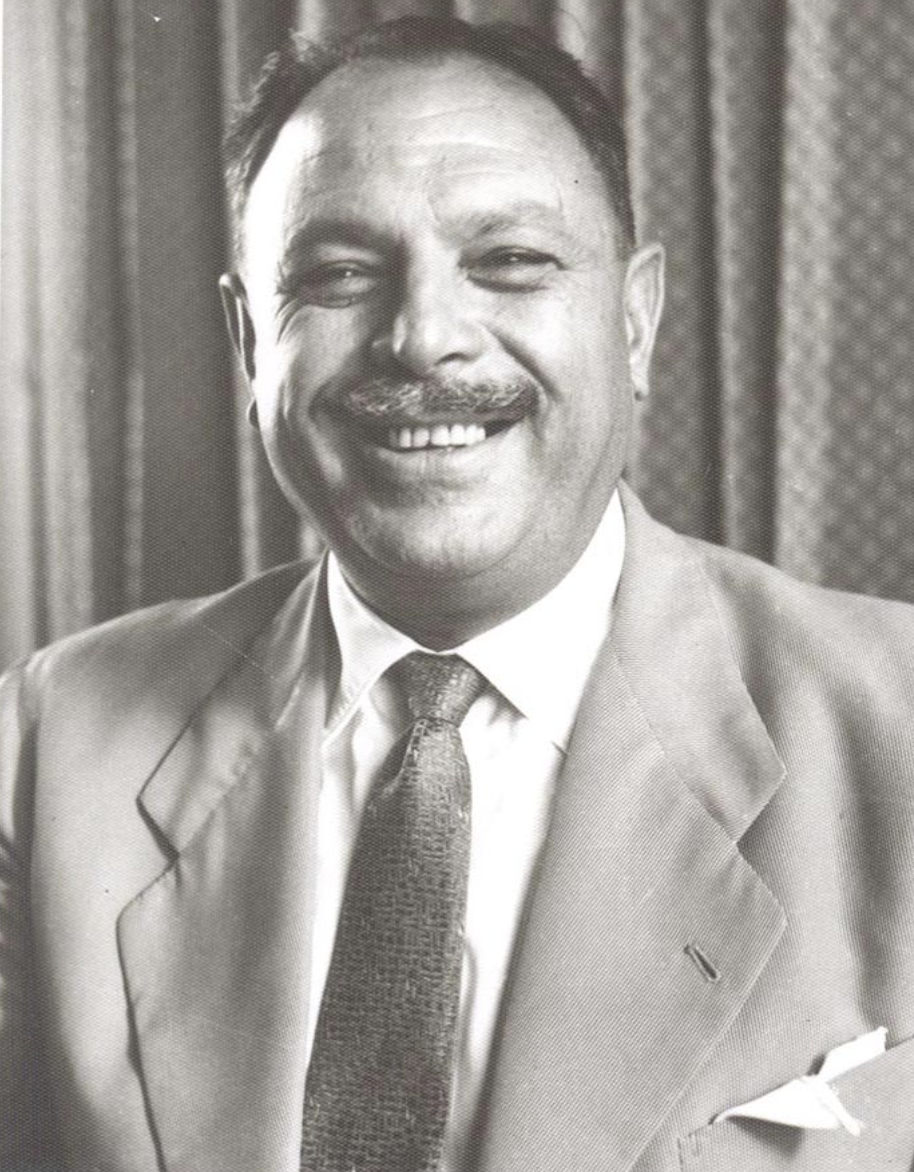
Ayub Khan
Second President of Pakistan and its first military ruler, who seized power in the 1958 coup, introduced Basic Democracies, industrialized Pakistan's economy, and constructed the capital city of Islamabad.
Start typing to search worldwide archives and community tributes
Filterable archive covering centuries of intellectual, artistic, and moral contributions to the human story.
Second President of Pakistan and its first military ruler, who seized power in the 1958 coup, introduced Basic Democracies, industrialized Pakistan's economy, and constructed the capital city of Islamabad.
Estonian-born American architect celebrated for his monumental, poetic brick and concrete structures that fused archaic spirituality, geometric purity, and natural daylight.
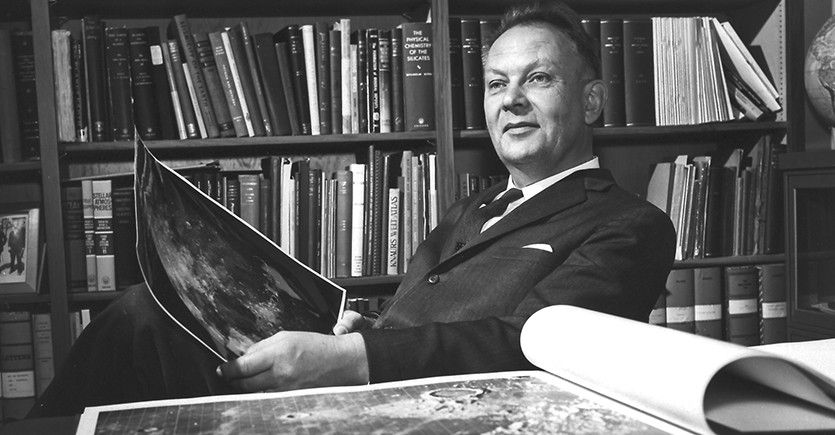
Maverick Swiss astronomer who coined 'supernova', predicted neutron stars and gravitational lensing, and first postulated dark matter.
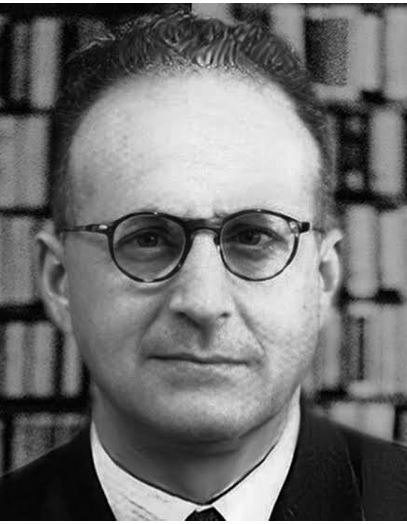
Eminent Indian polymath and theoretical physicist whose quantum statistics founded Bose-Einstein condensate theory and gave 'bosons' their name.
Philosophe social américain, auteur de The Power of Non-Violence qui introduisit la théorie de la résistance non-violente auprès de Martin Luther King Jr.
Mexican social realist painter and muralist, one of 'Los Tres Grandes' alongside Rivera and Orozco, pioneer of dynamic perspectives, industrial pyroxylin paints, and revolutionary public art.
Co-founder of the modern Republic of Turkey, maintained national neutrality in WWII, and peacefully handed over power after losing free democratic elections in 1950.
Dutch-American planetary scientist who discovered moons of Uranus and Neptune and predicted the Kuiper Belt.
Visionary Algerian philosopher of history and civilizational renewal who formulated the groundbreaking concept of 'colonizability' (colonisabilité) and authored 'The Conditions of Renaissance'.
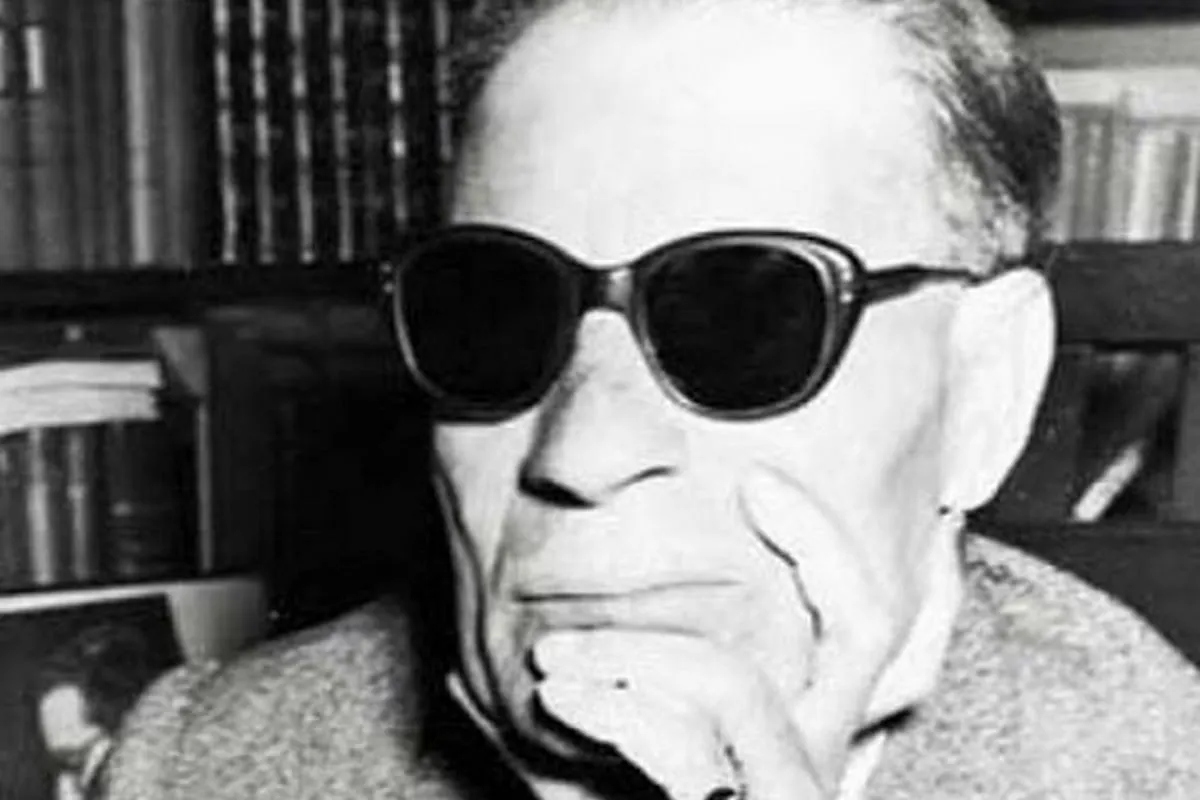
Revered as the 'Dean of Arabic Literature' (Qahir al-Zalam), blind Egyptian modernist author, educational reformer, and author of the classic autobiography The Days (Al-Ayyam).
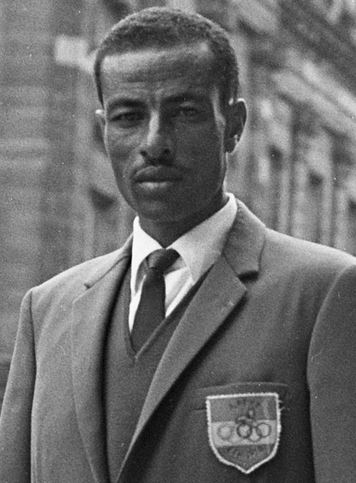
Abebe Bikila was an Ethiopian marathon runner who became the first Black African in history to win an Olympic gold medal, conquering the marathon at the 1960 Rome Olympics running completely barefoot. Repeating his triumph in Tokyo in 1964 six weeks after an appendectomy to become the first repeat marathon champion, he heralded the modern era of East African distance running dominance.
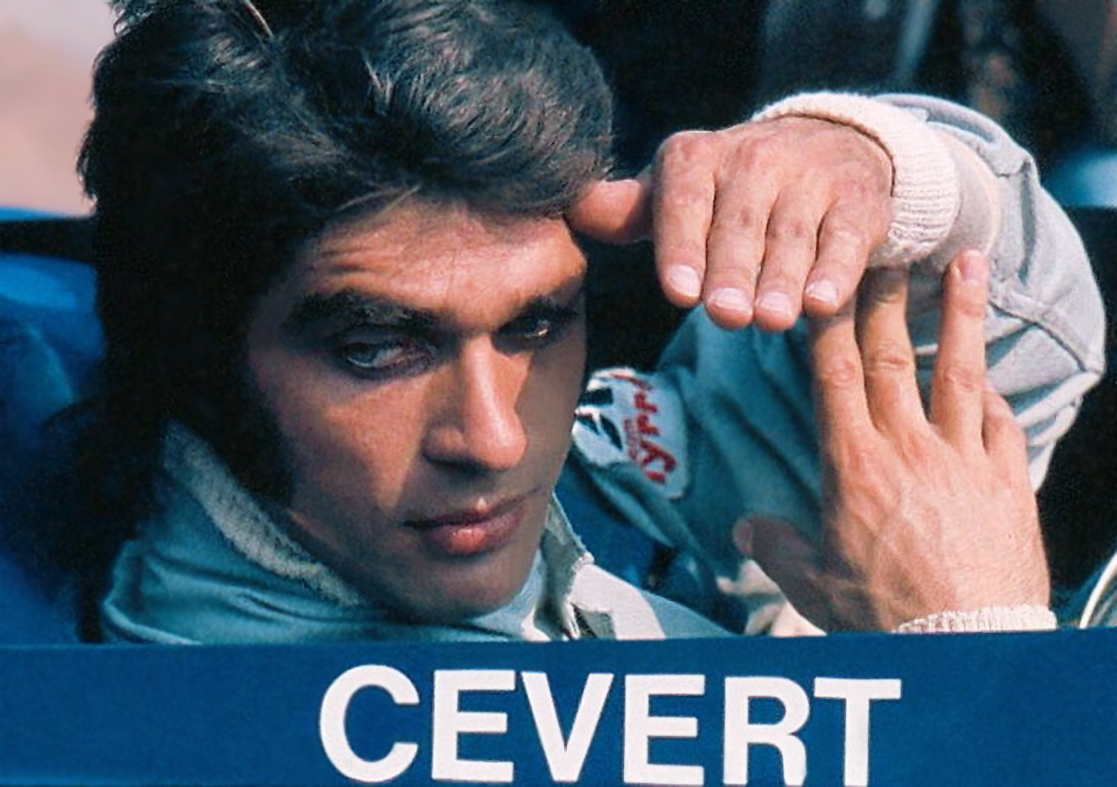
Charismatic French Formula One driver for Tyrrell Racing, classical pianist, and protégé of Jackie Stewart, whose film-star glamour and brilliant speed were tragically cut short on the eve of inheriting team leadership.
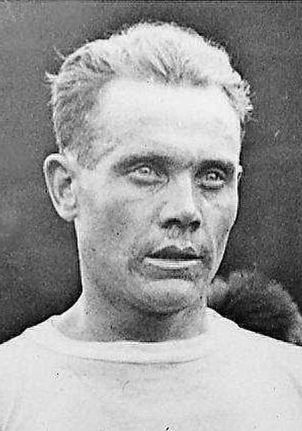
Paavo Nurmi, 'The Flying Finn', was the supreme middle- and long-distance runner of the early twentieth century, who captured an extraordinary nine Olympic gold medals and three silvers across three Games (Antwerp 1920, Paris 1924, Amsterdam 1928). The pioneer of running with a stopwatch to control pacing, he set 22 official world records and remained undefeated in 121 consecutive cross-country and 10,000m races.
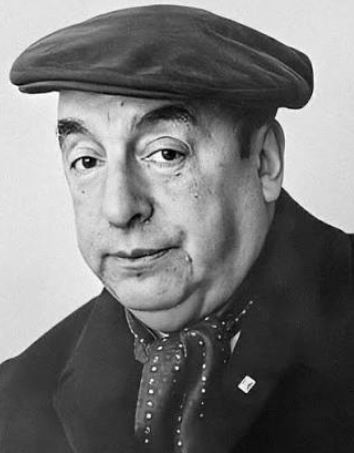
Supreme Chilean poet and 1971 Nobel laureate hailed by Gabriel García Márquez as 'the greatest poet of the 20th century in any language', whose Twenty Love Poems, Canto General, and Elemental Odes gave voice to love, labor, and Latin American resistance.
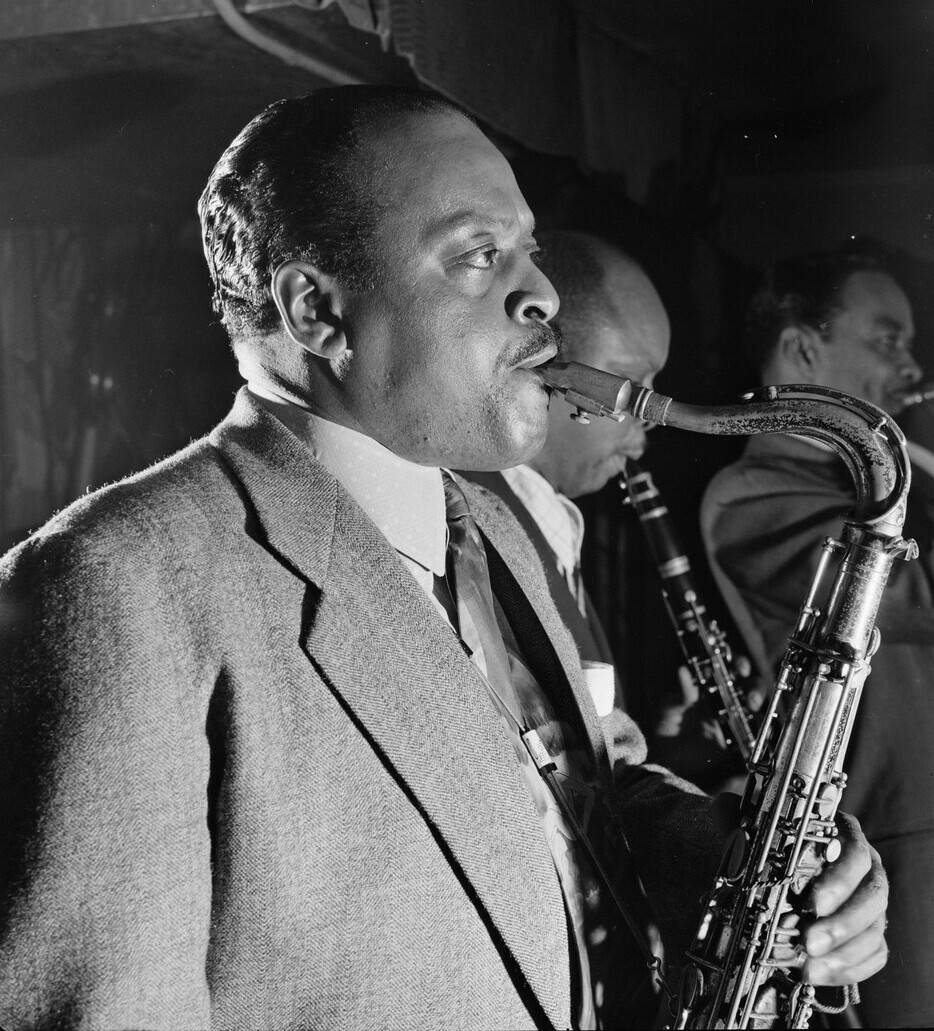
American swing tenor saxophonist dubbed 'The Brute', celebrated for his breathy, sensual ballad tone with Duke Ellington's orchestra and soaring European jazz residencies.
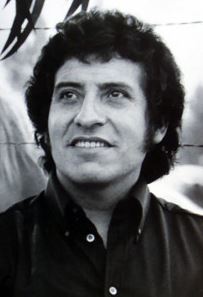
Chilean singer-songwriter, theater director, and political activist who personified the Nueva Cancion movement, murdered during the 1973 military coup for singing songs of social liberation.
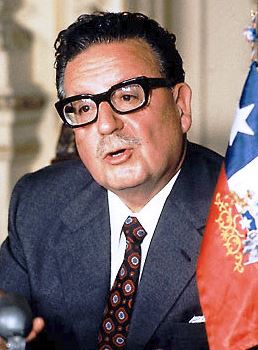
Universal martyr of democratic socialism; proved that radical redistributive transformation could be pursued strictly within constitutional norms and democratic voting.
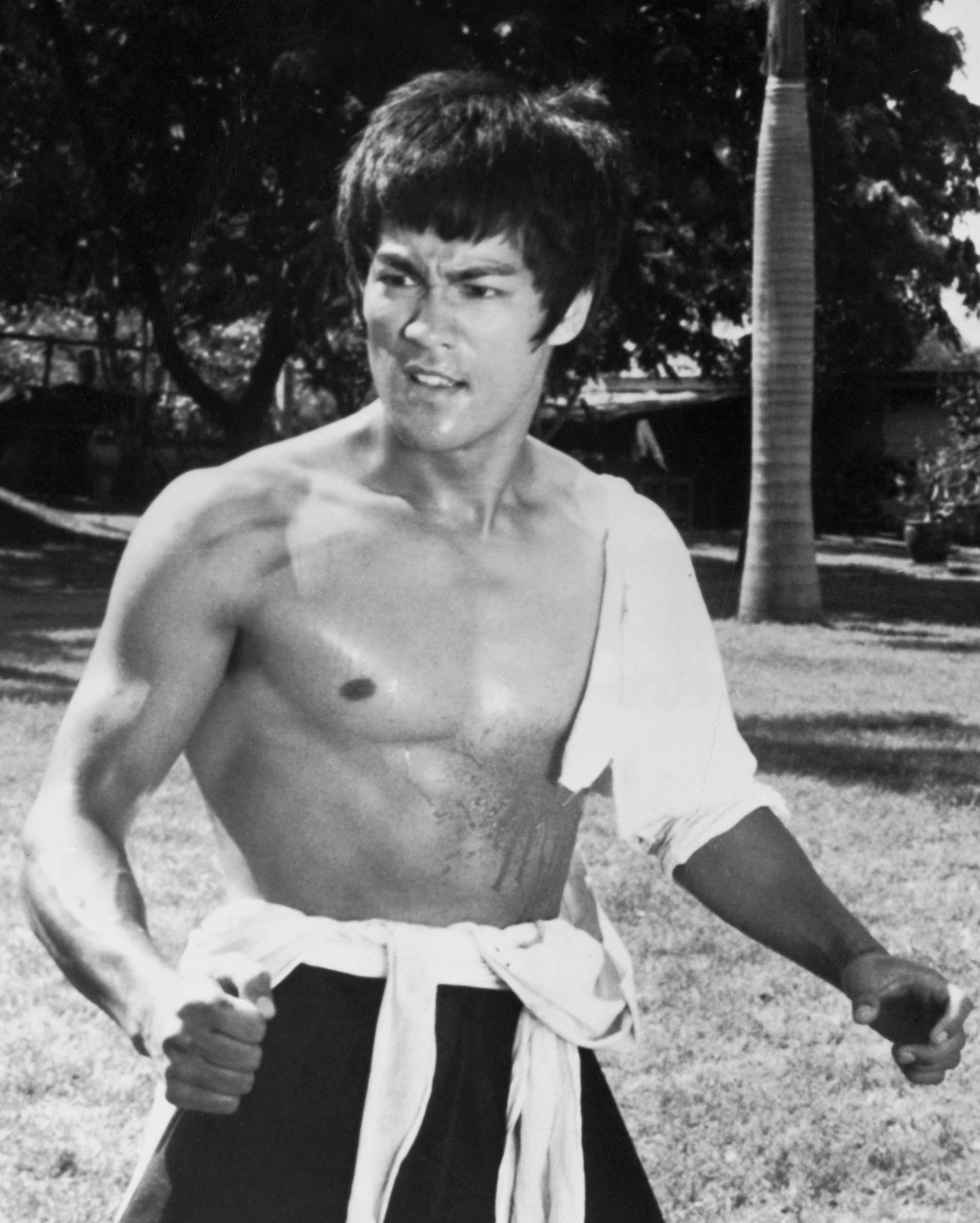
Martial artist, philosopher, and actor who founded Jeet Kune Do, widely acknowledged as the father of modern mixed martial arts and a transformative cultural icon.